Kanchanaburi Series · Episode 1
Shadows in the Jungle: The Dark Sorcery of the Death Railway
Deep within the jungles of Kanchanaburi lies a scar carved through the mountain — born from wartime obsession, built by captive hands, and cursed by the sheer willpower of survival.
There are places in this world where the veil between history and myth wears incredibly thin.
Deep within the impenetrable jungles of Kanchanaburi, Thailand, lies a scar carved straight through the mountain — a place born from a desperate wartime obsession, built by the hands of an international army of captives, and cursed by the sheer willpower of survival.
This is the tale of the Thai-Burma Death Railway, the infamous Bridge over the River Kwai, and the terrifying chasm known to the world as Hellfire Pass.
If you think this is merely a chapter from an old history book, you are mistaken. This is an epic of tragic alchemy, where modern machinery clashed with brutal nature, and where human souls from every corner of the globe became bound together in a fight against a real-world darkness.
Chapter 1: The Dark Decree and the Bridge of Spells
The year was 1942. The world was consumed by a global storm. The Imperial Japanese Army faced a critical problem: their sea routes were vulnerable, and they desperately needed an overland passage to conquer India.
British engineers had previously surveyed the rugged, jungle-covered mountains dividing Thailand and Burma, declaring the terrain completely impassable. They claimed it would take nothing short of a miracle — or dark magic — to lay tracks through those treacherous cliffs.
Undeterred, the Imperial forces pulled a captive workforce from Singapore and across the seas. It was a modern-day Babel. There were stoic British officers, rugged Australian bushmen, fierce American sailors, Dutch engineers, and hundreds of thousands of Asian laborers. Suddenly, men who spoke entirely different languages, practiced different faiths, and came from different worlds were thrown into the same crucible.
Their first great task? Conquering the waters.
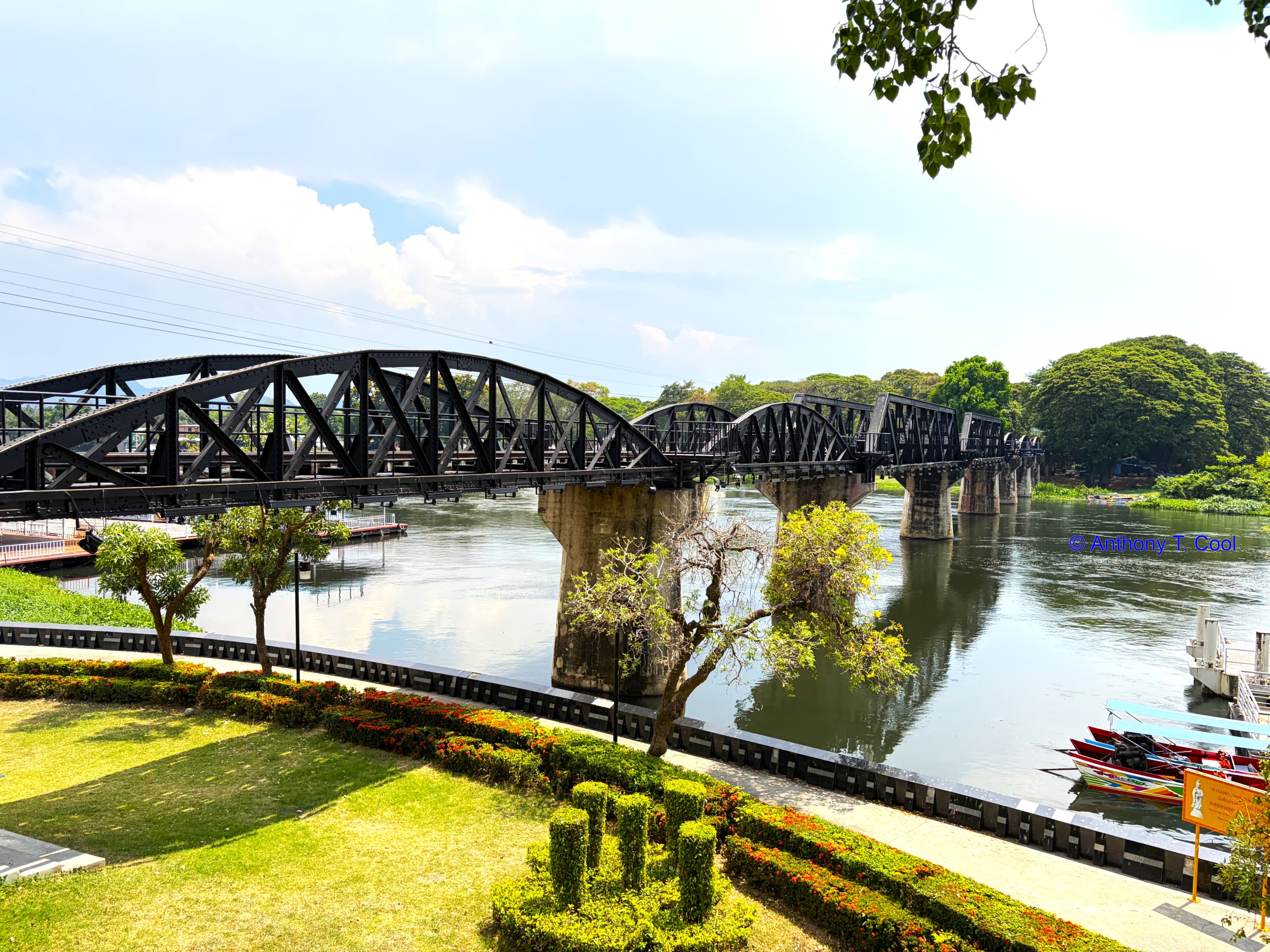
The Bridge over the River Kwai was built not with high-tech machinery, but through sheer muscle and raw human spirit. To watch the prisoners work was like watching an ancient, desperate ritual. Wearing nothing but loincloths, their skin blackened by the tropical sun and scarred by tropical ulcers, they lifted massive iron girders and drove heavy wooden piles into the rushing, treacherous river currents.
The bridge became a symbol. To the captors, it was a monument to absolute dominion. To the prisoners, it was a test of psychological warfare — every bolt driven into the wooden trestles was a silent pact to stay alive.
Chapter 2: The Gateway to the Underworld — Hellfire Pass
But the river was merely the outer gate. The true nightmare lay deeper in the mountains, at a colossal wall of solid rock known as the Konyu Cutting. Today, the world whispers its true name: Hellfire Pass.
The task given to the prisoners seemed mathematically impossible. They were ordered to cut a passage 75 meters long and 25 meters deep through sheer rock. They had no dynamite, no mechanical excavators, and no drills. Their only tools were 8-pound hammers, iron chisels, and wicker baskets to carry away the debris.
As the monsoon rains swept in, turning the jungle floor into a treacherous soup of mud and disease, the Japanese commanders ordered the infamous "Speedo" period. The rules of time dissolved. Work shifts stretched into brutal 18-hour marathons, continuing straight through the pitch-black nights.
To look upon the Konyu Cutting at midnight was to gaze directly into a dark, cinematic underworld. The Japanese guards set up flickering bamboo torches and roaring bonfires along the cliff edges. The crimson firelight cast monstrous, dancing shadows against the jagged rock walls. In the center of this glowing abyss, thousands of skeletal, emaciated men swung hammers in perfect, haunting rhythm.
The echoing clink-clink-clink of iron against stone filled the night air like a macabre chant.
To the survivors, the red glowing light, the dancing shadows, and the agonizing screams of exhausted men made the mountain look exactly like the mouth of Hell itself. The pass earned its name not from geography, but from the fiery, nightmarish vision of human endurance pushed past its breaking point.
Chapter 3: The Ghostly Multitudes and the Unbroken Bond
No magic spell could protect the men from the invisible monsters of the jungle. Cholera, dysentery, malaria, and starvation swept through the camps like a dark plague.
Yet, amidst the horror, an extraordinary phenomenon occurred: the birth of an unbreakable, multinational brotherhood.
When an Australian soldier fell from exhaustion, a British comrade would take his hammer. When a Dutch medic ran out of modern medicine, he turned to the secrets of the jungle, brewing indigenous herbs to cure tropical fevers. The prisoners shared their meager rations, sang songs in the dark to keep despair at bay, and risked execution to smuggle letters and food to the sick.
By the time the final spike was driven into the tracks in late 1943, the railway had claimed the lives of over 100,000 souls. It was said that a human life was lost for every single wooden sleeper laid on the track.
Chapter 4: The Echoes in the Quiet
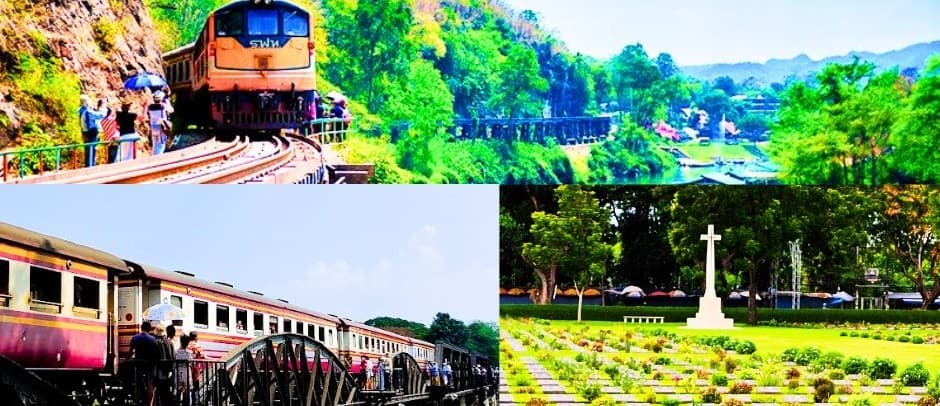
Today, the trains still rumble along the wooden tracks clinging to the cliffs at Tham Krasae, overlooking the serene River Kwai. The jungle has reclaimed most of the camps, and the fires of Hellfire Pass have long been extinguished.
But the magic of the place has not faded.
If you walk through the silent, shaded gorge of Hellfire Pass today, the air feels heavy, calm, and deeply sacred. The peaceful Kanchanaburi War Cemetery stands as a beautiful, green sanctuary where thousands of those young allied warriors from different nations now rest side by side in eternal brotherhood.
They say that on quiet, misty mornings, if you listen closely to the rustling bamboo leaves, you can still hear the faint, ghostly echo of iron against stone.
It is a reminder that the true magic of the Death Railway wasn't the engineering feat — it was the magical, indestructible power of the human spirit to survive the darkest night.
Next in the Kanchanaburi Series — Episode 2: The River Kwai Today — Walking the Ground Where History Breathes
Continue exploring Kanchanaburi:
Written & Photographed by
Anthony T. Cool
Licensed Tour Guide & Cultural Storyteller
8+ years guiding across Thailand, Vietnam, Laos & Cambodia · Ex-G Adventures Lead Guide · 1,000+ guests from 40+ countries
Explore Siam Aura
Sacred arts, curated with care.